If you spend time texting, scrolling through social media, or chatting online, you’ve probably come across countless abbreviations and internet slang terms. One abbreviation that often leaves people confused is OML.
Many users encounter it in text messages, comments, memes, gaming chats, or online conversations and immediately wonder what it means.
The popularity of texting shorthand has made communication faster and more casual, but it has also created a language of its own. Understanding these abbreviations helps people communicate more effectively and avoid misunderstandings.
OML is one of those expressions that can convey strong emotions in just three letters. Depending on the situation, it can express surprise, excitement, frustration, disbelief, or even amusement.
Learning how and when people use this abbreviation can help you better understand modern digital conversations. This guide explains its meaning, origin, usage, variations, and everything else you need to know.
Definition & Meaning
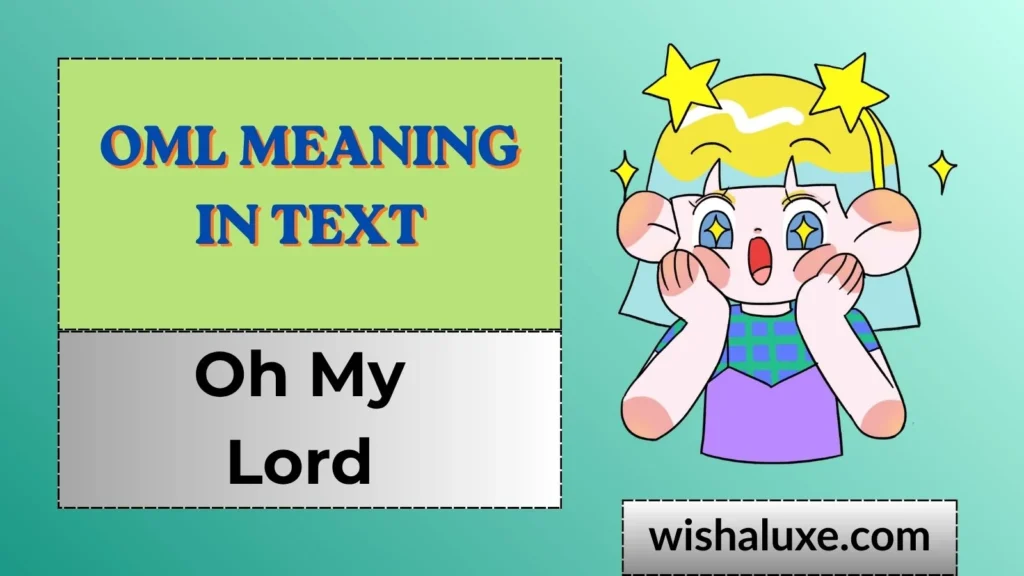
OML stands for “Oh My Lord.”
It is commonly used as an emotional reaction in digital communication. Similar to other internet expressions, it helps people quickly express their feelings without typing a full sentence.
People use OML when they experience:
- Surprise
- Shock
- Excitement
- Frustration
- Disbelief
- Amazement
- Embarrassment
For example:
- “OML, I can’t believe I won!”
- “OML, that movie ending was confused.”
- “OML, I forgot my assignment.”
In most situations, the phrase serves as a stronger reaction than simply saying “wow.” The exact meaning often depends on the tone and context of the conversation.
Unlike formal language, texting abbreviations are designed for speed and convenience. OML allows users to communicate a strong emotional response instantly.
Background & History
The rise of internet slang can be traced back to early chat rooms, online forums, and SMS messaging. Character limits encouraged users to shorten words and phrases whenever possible.
OML emerged as part of this trend. Similar expressions such as OMG, LOL, BRB, and IDK became common during the growth of online communication in the late 1990s and early 2000s.
While OMG gained widespread recognition first, OML developed as an alternative expression. Some users preferred it because it sounded less common and sometimes more dramatic. Others used it as a personal preference instead of more traditional internet slang.
As social media platforms expanded, abbreviations spread rapidly among younger audiences. Messaging apps, gaming communities, and video-sharing platforms helped normalize shorthand expressions in everyday communication.
Today, OML appears across various online spaces, including:
- Text messages
- Social media comments
- Gaming chats
- Online communities
- Group conversations
- Meme culture
Its continued use reflects how internet language constantly evolves to match modern communication habits.
Usage in Various Contexts
OML can appear in many different situations, and its interpretation often depends on the conversation.
Excitement
People use it when something positive happens.
Example:
“OML, I finally got the job!”
Shock
It may express surprise after hearing unexpected news.
Example:
“OML, I didn’t see that coming.”
Frustration
Sometimes it reflects annoyance or stress.
Example:
“OML, my computer crashed again.”
Humor
Friends may use it jokingly when reacting to funny situations.
Example:
“OML, that meme made my day.”
Entertainment Discussions
People often react to movies, television shows, sports events, or celebrity news using OML.
Example:
“OML, that plot twist was unbelievable.”
Gaming
Gamers frequently use quick abbreviations during live gameplay.
Example:
“OML, we actually won that match!”
Because it conveys emotion efficiently, OML remains useful across many forms of digital communication.
Common Misconceptions & Clarifications
Many people misunderstand OML when they encounter it for the first time.
One common misconception is that it has only one emotional meaning. In reality, it can express a wide range of reactions depending on the context.
Another misunderstanding is assuming it is always religious. Although the phrase contains the word “Lord,” most users employ it casually without intending a religious message.
Some people also mistake OML for other abbreviations. Internet slang evolves quickly, and many acronyms look similar. Reading the surrounding conversation usually makes the intended meaning clear.
It’s also important to understand that OML is generally informal. While it works well among friends and online communities, it may not be appropriate in professional settings.
Understanding context is the key to interpreting the abbreviation correctly.
Similar Terms & Alternatives
Many abbreviations carry a similar emotional tone.
Some common alternatives include:
- OMG (Oh My God)
- OMFG (Stronger version of OMG)
- WOW
- Yikes
- Seriously?
- No way
- Goodness
- Gosh
Each expression serves a slightly different purpose.
For example, OMG is generally more common, while OML may feel more dramatic or unique depending on the audience.
Some users choose alternatives based on personal preference, cultural background, or comfort level with certain phrases.
How to Respond to This Term
Responding to OML depends on the conversation.
If someone expresses excitement:
Example:
- Person: “OML, I got accepted!”
- Response: “Congratulations!”
If someone is shocked:
Example:
- Person: “OML, that’s unbelievable.”
- Response: “I know, right?”
If someone is frustrated:
Example:
- Person: “OML, today has been terrible.”
- Response: “I’m sorry to hear that.”
A good response acknowledges the emotion being expressed rather than focusing on the abbreviation itself.
Regional or Cultural Differences
Internet slang often varies across countries and cultures.
In English-speaking regions such as the United States, Canada, the United Kingdom, and Australia, OML is generally understood by younger internet users.
In countries where English is not the primary language, people may recognize the abbreviation through social media, online gaming, and international content.
Cultural attitudes can also affect usage. Some individuals avoid phrases that reference religious terms, while others use them casually without giving them special significance.
As global internet culture continues to grow, abbreviations like OML are becoming increasingly recognizable worldwide.
Comparison with Similar Terms
| Term | Meaning | Typical Usage |
|---|---|---|
| OML | Oh My Lord | Surprise, excitement, shock |
| OMG | Oh My God | General emotional reaction |
| LOL | Laugh Out Loud | Humor or amusement |
| IDK | I Don’t Know | Uncertainty |
| SMH | Shaking My Head | Disappointment or disbelief |
| WOW | Expression of surprise | General reaction |
OML and OMG are often used interchangeably, but OML tends to be less common and may stand out more in conversations.
Usage in Online Communities & Dating Apps
Online communities frequently rely on abbreviations to communicate quickly.
On social media, OML appears in:
- Comments
- Captions
- Reactions
- Meme discussions
In gaming communities, players use it during intense moments to express excitement or surprise.
Dating apps also feature casual internet slang. Someone may use OML when reacting to a funny message, surprising profile detail, or unexpected conversation.
Examples include:
- OML, your dog is adorable.”
- “OML, that’s the funniest bio I’ve seen.”
In these situations, the abbreviation helps create a relaxed and friendly atmosphere.
Hidden or Offensive Meanings
In most cases, OML simply means “Oh My Lord.”
There are generally no hidden offensive meanings attached to the abbreviation in mainstream internet usage.
However, as with many online terms, niche communities may occasionally create alternative interpretations. These versions are relatively uncommon and usually understood only within specific groups.
For everyday texting and social media conversations, OML is considered harmless and non-offensive.
Suitability for Professional Communication
OML is best suited for casual communication.
Professional environments typically favor complete words and formal language. Using internet slang in business emails, reports, or workplace discussions may appear unprofessional.
Appropriate settings include:
- Text messages
- Social media
- Friends’ chats
- Informal online conversations
Less appropriate settings include:
- Job applications
- Business emails
- Academic papers
- Professional presentations
When communicating professionally, it is usually better to express your thoughts clearly without abbreviations.
Why OML Became Popular on Social Media
Social media platforms thrive on quick communication, and abbreviations fit perfectly into this environment. OML gained popularity because it allows users to react instantly to surprising, funny, or emotional content.
Whether someone is commenting on a viral video, responding to a celebrity announcement, or sharing a personal experience, this shorthand helps communicate strong feelings in just a few characters.
Its simplicity makes it easy to understand and share across different platforms.
Examples of OML in Everyday Conversations
Understanding real-life usage helps clarify how people use this expression naturally. Friends might use it when discussing school, work, relationships, or entertainment.
For example, someone could write, “OML, traffic was terrible today,” or “OML, that concert was amazing.”
These examples show how the phrase adapts to both positive and negative situations while maintaining its emotional impact.
How Teenagers Commonly Use OML
Teenagers are often among the earliest adopters of internet slang. They frequently use OML in text messages, social media comments, and group chats to express excitement, shock, or humor.
Because younger users value fast communication, abbreviations become part of their everyday digital language.
The phrase often appears alongside emojis, GIFs, and other modern forms of expression.
The Emotional Tone Behind OML
Unlike some abbreviations that serve a practical purpose, OML is primarily emotional. It helps users communicate feelings that might otherwise require a longer explanation.
Depending on the situation, the tone can range from joyful and excited to frustrated or overwhelmed. Understanding this emotional element helps readers interpret the phrase more accurately.
OML in Memes and Internet Humor
Memes rely heavily on exaggerated reactions, making OML a natural fit. Users often pair it with funny images, unexpected situations, or humorous captions.
In meme culture, the abbreviation amplifies the emotional response and contributes to the entertainment value of the content. Its versatility allows it to fit almost any comedic scenario.
When Not to Use OML
While OML works well in casual conversations, there are situations where it may not be appropriate. Formal communications, academic writing, and professional correspondence generally require more traditional language.
Using internet slang in serious contexts can create confusion or appear unprofessional. Understanding when to avoid abbreviations is just as important as knowing when to use them.
How OML Reflects Modern Digital Communication
The rise of abbreviations demonstrates how language evolves alongside technology. As communication becomes faster and more mobile-focused, people naturally seek shorter ways to express themselves.
OML represents a broader trend toward efficiency in online interactions while still allowing users to convey strong emotions.
Generational Differences in Understanding OML
Different age groups may interpret internet slang differently. Younger users often recognize OML instantly, while older individuals may need additional context.
This generational gap highlights how digital language evolves and why some abbreviations become more common within specific demographics.
The Psychology of Using Text Abbreviations
People use shorthand expressions because they reduce effort while maintaining emotional impact. Abbreviations like OML help individuals communicate feelings quickly and efficiently.
They also create a sense of belonging among users who understand internet culture and digital communication trends.
Can OML Strengthen Online Relationships?
Informal language often helps create a relaxed atmosphere in conversations. Using familiar expressions can make interactions feel more natural and personal.
In friendships and online communities, abbreviations contribute to a shared communication style that strengthens social connections.
OML and the Evolution of Internet Slang
Internet language changes constantly. Some abbreviations disappear after a few years, while others remain popular for decades.
OML is part of an ongoing evolution that reflects changing communication habits, technological advancements, and cultural trends within online communities.
Why Context Matters When Interpreting OML
The same abbreviation can carry different meanings depending on the situation. A message expressing excitement may use OML differently than one expressing frustration.
Readers should always consider surrounding messages, tone, and context before determining the intended meaning.
How Influencers and Content Creators Use OML
Influencers frequently use casual language to connect with their audiences. OML appears in captions, comments, reactions, and live streams because it feels authentic and conversational.
This widespread usage helps introduce the abbreviation to new users and keeps it relevant in online culture.
OML in Group Chats and Messaging Apps
Group conversations often move quickly, making abbreviations particularly useful. OML allows participants to react instantly without interrupting the flow of discussion.
Whether responding to exciting news or a funny story, the phrase helps maintain engagement within active chats.
The Role of OML in Expressing Surprise
Surprise is one of the most common emotions associated with OML. Users employ it when encountering unexpected news, shocking events, or surprising outcomes.
Its popularity stems from its ability to communicate astonishment quickly and effectively.
How New Internet Users Learn Terms Like OML
Many people discover internet slang through social media, gaming platforms, or conversations with friends.
Repeated exposure helps users understand abbreviations naturally. Over time, terms like OML become part of their everyday online vocabulary.
Is OML Likely to Remain Popular?
While internet trends change rapidly, some abbreviations achieve long-term popularity because of their versatility.
OML has remained relevant because it can express multiple emotions and fit various communication styles. Its flexibility increases the likelihood that people will continue using it in the future.
How Brands Occasionally Use Internet Slang
Some companies incorporate casual language into marketing campaigns to appear relatable. Although businesses use internet slang cautiously, abbreviations like OML may appear in social media posts targeting younger audiences.
This strategy helps brands participate in contemporary online conversations.
Understanding the Difference Between Slang and Abbreviations
Not all internet expressions function the same way. Slang typically introduces new words or meanings, while abbreviations shorten existing phrases.
OML falls into the abbreviation category because it represents a condensed version of a longer expression rather than creating an entirely new term.
The Future of Texting Language
As communication technology evolves, new abbreviations will continue to emerge. Voice messaging, artificial intelligence, and changing social platforms may influence how people communicate online.
OML serves as an example of how language adapts to modern digital environments while remaining concise and expressive.
FAQs:
What does OML stand for in texting?
OML usually stands for “Oh My Lord” and expresses surprise, excitement, shock, or frustration.
Is OML the same as OMG?
They are similar, but OML is generally less common and may feel more dramatic depending on the context.
Is OML considered rude?
No. It is usually viewed as a harmless and informal expression.
Can OML have different meanings?
While “Oh My Lord” is the most common meaning, context always determines interpretation.
Is OML used on social media?
Yes. It is commonly seen on social media platforms, messaging apps, and online communities.
Should I use OML in work emails?
No. Formal communication is usually better without internet slang abbreviations.
Conclusion:
OML is a popular internet abbreviation that stands for “Oh My Lord.” It serves as a quick and effective way to express emotions such as surprise, excitement, disbelief, frustration, or amazement.
Although it shares similarities with more common expressions like OMG, it has developed its own place within modern online communication. Whether you encounter it in text messages, social media posts, gaming chats, or dating apps, understanding its meaning helps you better interpret digital conversations.
While it is perfectly suitable for casual interactions, it is generally best avoided in professional settings.
As online language continues to evolve, abbreviations like OML remain an important part of how people communicate quickly and expressively.

Hi, I’m Alex Carry, the creator of Wishaluxe. I’m passionate about helping people find the perfect words for every special occasion, from birthdays and anniversaries to celebrations and heartfelt moments. Through Wishaluxe, I share creative ideas, meaningful messages, and inspiring content designed to make every occasion more memorable. My goal is simple: to help readers express their feelings with confidence and create lasting connections through thoughtful words.